If you need reliable, fast, and reasonably priced auto repair in Tualatin, Oregon, this guide is built for your next decision—not vague education. When you search for Auto Repair Tualatin Oregon, you typically want a shop that will diagnose correctly the first time, explain the work in plain language, and provide a written estimate you can verify before you approve anything. Because local availability, parts sourcing, and shop workload affect timelines in the Tualatin area, you will also learn how to ask the right questions to reduce downtime. You’ll finish knowing exactly what to request by phone, what to bring in person, and how to confirm whether an estimate is apples-to-apples across shops.
This matters because the most expensive outcomes often come from skipping the “transaction checklist”: you authorize repairs without a clear diagnostic story, you accept vague warranties, or you let an estimate omit critical tests. We’ll cover criteria, red flags, and the documentation to ask for so you can avoid costly mistakes. If you have a check engine light, a drivability problem, brake vibration, cooling issues, or transmission symptoms, this article gives you a practical path to get the problem handled efficiently and safely.
For trustworthy guidance, we also align with established consumer expectations around estimates, written authorization, and diagnosis practices from major regulatory and automotive information sources. For example, you can reference the Oregon Attorney General’s general consumer protection guidance on estimates and disclosures at Oregon Department of Justice and general vehicle maintenance safety guidance from the NHTSA recall/vehicle safety resources. Use these alongside the shop-specific checklist you’ll get below so your repair process stays documented and defensible.
Choose the Right Shop for Auto Repair in Tualatin (Decision Path)
Choosing the right shop for Auto Repair Tualatin Oregon starts with a decision path that prioritizes correct diagnosis, clear documentation, and safe scheduling—not just the lowest price. If you follow the steps below, you reduce the chance of “parts guessing,” duplicate diagnostic fees, and surprise scope changes after you authorize work. This is the practical route most drivers wish they had used the first time.
Step one is to assess urgency. If you have symptoms tied to immediate safety (brakes not stopping straight, steering pull that worsens quickly, overheating, severe vibration, or warning lights that include oil pressure or temperature), your “right shop” choice is the one that can take you sooner and can confirm safety items quickly. If the issue is inconvenient but not safety-critical (intermittent noises, occasional shifting hesitation, a check engine light that doesn’t affect drivability), you can schedule a slightly more thorough diagnostic visit and compare quotes.
Step two is to shortlist shops based on how they operate. “Good” looks like a documented diagnostic process, a written estimate with line items, proactive communication (text/call updates), and a clear warranty or return policy. Before you book, ask whether the shop will start with diagnostic testing appropriate to your vehicle and symptom, rather than immediately proposing parts replacements. For your documentation and decision-making process, you can also review a local-style comparison workflow in the “Auto Shop Near Me checklist” resource to standardize what you ask each shop.
Step three is to request an estimate and verify approach. Ask about diagnostic fee mechanics and what they will test first; then confirm what is included or excluded in the estimate. This is where measurable criteria help you compare apples-to-apples: diagnostic fee policy, labor-rate transparency, parts sourcing options, and documentation standards such as printed DTC readouts, inspection notes, and test results.
Finally, schedule and confirm documentation. When timing depends on parts delivery, ask whether they can stage ordering and how they handle delays. If multiple issues are found, good shops will prioritize safety and drivability, then sequence the work so you approve the cost in parts you can understand. Common mistake: when a shop finds multiple DTCs or potential causes, some drivers authorize everything at once, which can lead to scope creep. Instead, ask for a ranked list of likely root causes, an estimate for each priority, and a re-test plan after each step.
If you want a practical “what to verify” script for your calls and your visit, use this “Auto Repair Near Me checklist” as a checklist-style baseline for your shop comparisons and documentation requests. In addition, if you are comparing dealer vs independent workflow, the “Automotive Shop choose right one” guide can help you apply the same verification standards across ownership models.
What to Ask Before Paying for Diagnostics in Tualatin, OR
Before you pay for diagnostics in Tualatin, OR, ask what tests the shop will run, what evidence you will receive, and how the diagnostic fee applies to repair. A strong diagnostic conversation prevents wasted time and prevents you from paying for “guesses.” When you get a clear diagnostic plan upfront, you can decide faster and authorize the right work with confidence.
Start with a pre-check script you can read on the phone. Ask: “What diagnostic steps will you perform for my symptom?” “Which systems will you test first?” “Will you check for relevant related issues if you find multiple codes?” and “What inputs do you need from me?” The shop should request your VIN, describe the symptoms (including when they happen and under what conditions), and ask whether any warning lights are on. Practical example: for a rough idle with a check engine light, a shop should clarify whether they will test misfire data, fuel trims, ignition components, and any vacuum/air intake issues tied to the symptom rather than immediately recommending a single sensor.
Next, clarify diagnostic fee mechanics. Ask whether the diagnostic fee is refundable, whether it is credited toward repair, and what triggers an “expanded diagnosis.” A common failure mode is paying a diagnostic fee that the shop does not credit if you approve additional work, or paying for a short scan without any deeper test results. If the diagnostic expands, request a written approval threshold. This is especially important in Tualatin where parts lead times can create delays; you want to know whether your next authorization will be based on additional testing you can review.
Then ask what evidence you’ll receive. “Good diagnostics” typically includes DTC reads with freeze-frame data, live data screenshots or printed reports, inspection notes, and test results for the relevant systems (for example, fuel pressure readings, battery/charging voltage tests, brake component inspection details, cooling system pressure checks, or transmission fault correlations). Tradeoff: a very thorough approach might take longer, but it also reduces the chance of replacing parts that do not address the root cause. Most guides get this wrong by focusing only on “scan the code,” while real-world drivability problems often require correlation tests across multiple systems.
Deeper insight: when multiple DTCs appear, ask how they will prioritize. Many codes can share a common cause (such as battery voltage instability causing multiple sensor faults), and chasing each code separately can waste money. Ask the shop to identify a likely root cause that explains the pattern, then test to confirm before parts are installed. To avoid “parts guessing,” request that they show you which tests support their conclusion.
Bring this to the shop: service history, the dates of recent repairs, a list of warning lights and when they occur, photos/video of the symptom if safe (dash light timing, smoke/odor observations, vibration patterns), and any recent maintenance records. If you’re organizing your documents for efficient approval, this “Automotive Repair checklist choose” resource can help you structure the information so the diagnostic conversation moves quickly.
Common Auto Repair Services in Tualatin Oregon (and How to Vet Each)
In Tualatin, Oregon, the auto repair categories that most drivers need are brakes, check engine/sensor concerns, battery and starting issues, tires and alignment, cooling system/overheating problems, suspension and alignment symptoms, and transmission-related drivability. The key is vetting how the shop proves root cause for each category, not just how quickly they can replace parts. If you follow the vetting questions below, you can reduce upsells and verify that the work actually resolves the symptom.
Brakes: Ask how they will inspect rotors, calipers, pads, brake fluid condition, and for uneven wear patterns that explain vibration or pull. “What to expect” after repair should be objective: pedal feel improvement, reduced noise, and stable braking without pull. Common mistake: replacing pads alone when rotor condition, caliper slide issues, or fluid contamination is causing uneven friction. Tradeoff: OEM vs aftermarket brake components can differ in noise characteristics and dust; ask for part numbers and whether they use quality brands with consistent friction performance.
Check engine light and sensor issues: Ask what diagnostic tests they’ll run besides a basic scan. For example, a misfire code should lead to correlation testing such as live misfire counters, ignition checks, and fuel trim analysis. Cooling system or overheating: ask whether they will pressure test for leaks, verify thermostat operation, confirm fan operation, and evaluate coolant condition. Real-world scenario: an intermittent overheating issue may only occur under load or in warm weather, so the shop should ask about when it happens and test accordingly rather than assuming a single “overheat part” replacement.
Battery and starting: Ask for battery state-of-health and alternator charging tests, plus a parasitic draw test if you have repeated short starts or dead battery complaints. A common edge case is when a weak battery or unstable charging voltage causes multiple sensor codes; in that situation, the shop should address electrical verification before replacing unrelated components.
Tires and alignment: Ask for alignment measurement details and whether they will inspect suspension components that affect alignment before performing the adjustment. Tradeoff: if there is a bent control arm or worn bushing, alignment alone won’t fix recurring pull or uneven tread wear. For suspension symptoms like clunks over bumps, ask for a road test plus inspection of bushings, links, and struts/shocks if applicable.
Transmission symptoms: Ask how they will differentiate between fluid condition, mechanical wear, and electronic control faults. A shop that can explain which tests they’ll run and what data indicates the root cause (and which symptom pattern matches that data) is doing more than generic troubleshooting. Outcome-based framing matters: after a transmission-related repair, you should understand what changed (shift quality, smooth engagement, fewer flare-ups), and whether the fault is expected to return.
For each category, ask whether they recommend “inspection-only” before “repair-while-you’re-here.” This prevents unnecessary work when the symptom can be diagnosed and confirmed first. If you also want guidance on selecting the best service type and vendor, the “Automotive Shop choose right one” approach helps keep your decision structured.
Pricing & Estimates: How to Compare Quotes Without Getting Overcharged
To compare pricing and estimates in Tualatin without getting overcharged, you need quotes structured with diagnostic scope, labor hours, specific parts, and clear inclusions/exclusions. A fair estimate is not just a total number; it’s a written breakdown you can audit. When you normalize what’s included, you stop “low quote” traps that turn into higher costs later.
Start by verifying how the estimate is built. A proper estimate should itemize diagnostic time (if applicable), labor hours by operation, parts with brand or part numbers, fluids, and taxes. Ask whether they will use OEM parts, aftermarket parts, or remanufactured components and whether the chosen parts meet the vehicle’s specifications. Practical application: if one shop includes testing related systems (such as electrical checks when codes suggest voltage issues), but another shop only proposes a part replacement after reading a single code, their totals are not comparable.
Use a comparison method that normalizes scope. Compare: diagnostic depth (what tests), warranty terms, parts brand and part numbers, and expected time-to-completion. If two estimates both say “repair the check engine,” ask for the specific root cause they identified, the tests that support it, and the plan for re-testing after the work. Common mistake: choosing the lowest number when the “cheaper” shop did not test the systems that would confirm the repair actually resolves the symptom.
Price drivers in 2026 that affect estimates are often straightforward: parts availability and lead time, labor demand, and the diagnostic time required to replicate intermittent faults. The good news is you can manage these drivers with questions like: “Do you already have the parts on hand?” “If parts are delayed, will you re-confirm the estimate before starting?” and “Can you stage the repair plan while waiting on parts?” This keeps your approval aligned with real scheduling constraints.
Deeper insight: interpret “low estimates” carefully. If an estimate omits critical inspections—like battery/charging tests for multiple sensor codes, or cooling system leak tests for overheating—then the shop may be underestimating work or relying on assumptions. Ask whether the estimate includes those checks or whether it’s conditional (for example, “if inspection confirms X, then we replace Y”). Ensure you request written authorization for any change in scope. This is how you prevent cost creep when the shop discovers additional related issues.
If you’re ready to compare efficiently, use the estimate-approval mindset supported in the “Auto Repair Near Me checklist” so you can document what you approved and what you didn’t. When you call for quotes, ask whether they can send the estimate by text or email so you can keep a record of the agreed scope.
Preventing Common Mistakes in Auto Repair Tualatin Oregon (Pitfalls & Misconceptions)
Most avoidable problems in Auto Repair Tualatin Oregon happen when drivers skip documentation, authorize repairs without a diagnostic explanation, or judge quality by price alone. The quickest way to prevent mistakes is to require evidence, confirm warranty terms in writing, and understand what should change after the work. When you know what “success” looks like, you can detect mistakes early.
Common mistakes include authorizing repairs without understanding the root cause, accepting vague warranties that do not specify parts vs labor coverage, and skipping documentation like DTC readouts or inspection notes. Another frequent issue is choosing a shop only because it is the cheapest quote; a “cheap fix” often means the estimate excludes tests that would confirm the true problem. Misconception: “code equals problem.” A code indicates a fault detected by the vehicle, but multiple causes can trigger the same DTC, and intermittent faults may not be reproduced during a quick inspection.
What most guides get wrong is pretending every shop tests the same way. In reality, diagnostic quality depends on access to live data, test equipment, and the technician’s method for correlating symptoms with vehicle behavior. For example, intermittent transmission hesitation might correlate with fluid condition or temperature, not just a single stored code. If a shop replaces a sensor without verifying electrical stability and mechanical conditions, the light may return quickly.
Failure modes to plan for: if the warning light returns, if the symptom worsens, or if the repaired behavior doesn’t match the proposed cause. Transactional remedies are specific. Ask for re-inspection within the warranty workflow, request the test results and updated DTC reads (including whether the same fault code or a different one returns), and ask what changed in their diagnosis. If a shop cannot clearly show the connection between their work and the fault, escalate through their warranty process and request written next steps.
Deeper insight for edge cases: intermittent, heat-related, or load-related failures can be misdiagnosed if the shop assumes the symptom pattern is constant. You can help them by providing when it occurs (morning vs hot afternoon), driving conditions (highway load, uphill, stop-and-go), and whether other symptoms appear (smell, smoke, shifting pattern). If you recently had work done elsewhere, communicate what was installed and ask whether they will avoid duplicate diagnostics where possible by using the prior evidence you bring.
If you want a consistent approach to avoiding these pitfalls, align your call script with the “Automotive Repair checklist choose” framework so you can confirm that evidence, warranty, and scope are documented before payment.
Options & Alternatives to Traditional Repairs (What to Consider Instead)
In Auto Repair Tualatin Oregon, “traditional repair” is only one option. Depending on the problem, you may get better value by choosing dealer-level service, a specialized independent shop, mobile diagnostics, or staged repairs that focus on the most likely root cause first. The best alternative is the one that matches your urgency, warranty preferences, and the complexity of the system involved.
Authorized dealer repair can make sense when you need OEM parts, recall-related repairs, or a warranty-backed repair using brand-specific documentation. If your vehicle has an active factory warranty or you want the strongest documentation chain for future claims, dealer service may reduce risk. Tradeoff: dealer labor rates are often higher, and turnaround can depend on parts availability and scheduling demand.
Independent shops can be a strong choice for cost control and efficient diagnostics, especially for brakes, tires/alignment, cooling systems, and many drivability issues. Specialized electrical or transmission shops make sense when symptoms are complex and interact across modules—like battery/charging faults, intermittent sensor behavior, or shifting problems tied to control strategy. Practical scenario: if your check engine light keeps returning after a sensor replacement, a shop with deeper electrical diagnostics may save money by verifying voltage stability, ground connections, and module communication before replacing additional parts.
Mobile or at-home diagnostics can be helpful when you cannot drive the vehicle safely or want pre-screening before towing. Some mobile services can perform basic scans and battery tests, then help you decide whether towing and a full diagnostic visit is needed. Limitation: mobile diagnostics may not replace on-bay testing, pressure testing, or specialized tools required for certain inspections.
To choose the best option without losing warranty or causing compatibility issues, ask how each alternative handles labor documentation, parts brand/spec, and written authorization. Request part numbers, retain invoices/diagnostic reports, and confirm what their warranty covers. If you are uncertain where to start, the “Auto Shop Near Me checklist” helps you ask consistent questions across dealer and independent options so you can make a transactional choice quickly.
Advanced Considerations: Warranty, Parts Quality, and Edge-Case Repairs
To make Auto Repair Tualatin Oregon outcomes more reliable, you need to understand warranty terms, parts quality verification, and how the shop handles edge-case failures. Repairs are not just about fixing the immediate symptom; they’re about proving root cause so the shop can stand behind the work. Strong documentation and a sensible warranty are your protection when an intermittent fault returns.
Start with what warranty should include. A good warranty typically specifies coverage duration, whether parts and labor are covered, and what exclusions apply. Ask whether the warranty is backed by proof such as job records and part receipts, and how the shop will handle repeat issues. Practical application: if you had a cooling system repair, the shop should confirm what temperature/leak behavior they tested and document that success criteria was met. If the same overheating returns, warranty denial prevention starts with whether the shop recorded the root cause they addressed.
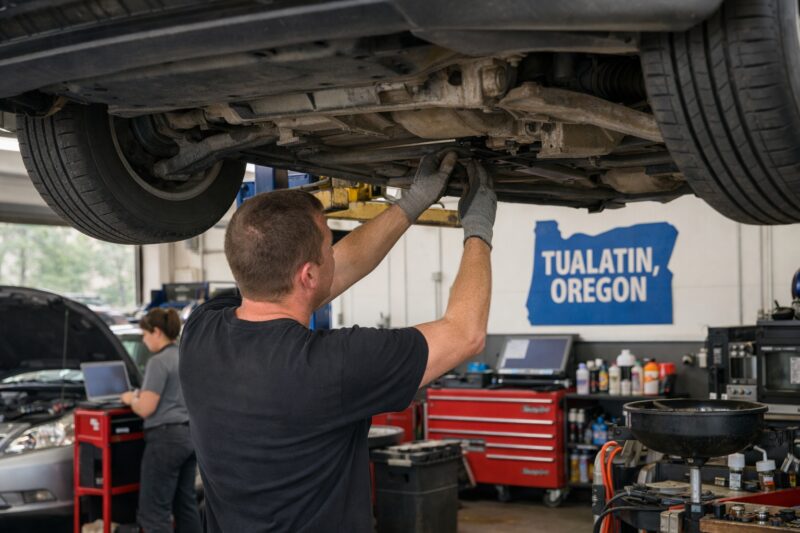
Next, request parts quality verification. Ask for part numbers and brand/spec, and confirm whether sensors/modules require programming or calibration. For vehicles with modern electronics, a “correct part installed” is not always enough; installation steps and calibration can be critical. If a shop uses remanufactured parts, ask for the source and the warranty coverage specifics for reman components. Tradeoff: OEM parts may cost more, but consistent specs can reduce repeat failures and make warranty claims clearer.
Edge cases to discuss upfront include intermittent faults, weather/load-related failures, recall-adjacent issues, and safety-critical system interactions. Example: a drivability issue that appears only during high heat might require load testing or data logging, not just scan readings. Another example is a check engine light that persists after repair: it may be the same fault not fully resolved, or it might be a new fault uncovered after the original problem. What most guides get wrong is treating recurring lights as purely “user error” or “just reset and hope.” In reality, the shop should perform re-test and show updated evidence.
Deeper insight for customers with recent prior repairs: avoid duplicate diagnostics when appropriate by providing prior invoices, DTC lists, and what parts were installed. Ask the shop to confirm correlation between the earlier work and current symptoms. If they propose replacing the same part again without verifying root cause, ask them what new test they will run. This is how you prevent repeated costs for a situation that needs better troubleshooting.
Tualatin-Specific Planning: Timing, Service Workflow, and Local Expectations
Planning for timing and workflow in Tualatin helps you get Auto Repair Tualatin Oregon done faster and with fewer surprises. Local realities like appointment demand, parts lead times, and technician workload affect turnaround time, so your best move is to ask how the shop schedules diagnostics and how they communicate updates. When you plan the “urgency ladder,” you control what gets done first and how long you are without your vehicle.
Use an urgency ladder when calling. Safety concerns first: brakes, steering control issues, overheating, oil pressure warnings, and severe drivability problems should be prioritized. Then handle drivability issues that could worsen: transmission shift hesitation, major misfire, or repeated stalling. Finally, schedule convenience repairs like minor noises, non-safety accessories, or wear items that do not affect immediate operation. When you explain urgency this way, shops can triage workload more effectively.
Ask operational questions that reduce downtime: “Do you have diagnostic slot availability this week?” “Can you communicate by text or call?” and “Can you stage parts ordering so the repair begins as soon as parts arrive?” Staging matters in Tualatin because some parts need sourcing, and scheduling gaps can extend timelines. If you can provide photos, symptom timelines, and recent maintenance records at drop-off, you also reduce diagnostic time.
Deeper nuance: appointment cancellations or delays should trigger a re-plan, not silence. Ask for an updated estimate, whether they will re-test the issue when you return (especially for intermittent faults), and what the next evidence step will be. Common mistake is assuming the original diagnostic work still applies if the vehicle is delayed for days; some intermittent symptoms may disappear and reappear later under different conditions.
If available, ask about ride options or loaner-style arrangements and request a clear turnaround expectation based on parts availability. Even if the shop cannot guarantee a timeline, they should be transparent about what they will do next and what would cause changes. For consistent documentation and communication style, align with the “Auto Repair Near Me checklist” so your first visit creates a record you can reference during scheduling changes.
If you’re searching for Auto Repair Tualatin Oregon, start by choosing a shop that communicates clearly about diagnostics, estimates, and next steps. A trusted team will explain what they found, how urgent it is, and what parts or services your vehicle truly needs.
Before authorizing work, it helps to use an Automotive Repair checklist choose so nothing important gets overlooked during the appointment process. This can support a smooth conversation about symptoms, service history, and the expected timeline for completion.
Many drivers begin with an Auto Repair Near Me checklist to compare options based on responsiveness, workmanship, and customer feedback. When you confirm availability, ask whether the shop can handle your vehicle’s make and model and what warranty or guarantees apply to the repairs.
To narrow down your choices even further, an Auto Shop Near Me checklist can guide you toward transparent pricing and a clean, professional workflow. Looking for consistent documentation and a clear explanation of recommended services can help you feel confident moving forward.
Once you’ve found a reliable place to service your car, you’ll be ready to address common questions about pricing, turnaround time, and what to expect during the repair process. In the FAQ section, you can also get quick answers that help you plan your visit and understand your next steps.
Top 10 Questions About Auto Repair Tualatin Oregon (FAQ)
What should I ask for when requesting an auto repair estimate in Tualatin?
Ask for a written estimate that breaks costs into diagnostic time (if included), labor hours by operation, parts (with brand or part number), and any fluids. Confirm what inspections are included or excluded and whether additional testing will require written approval before you pay. If your concern is drivability-related, ask what “success criteria” they will verify after the repair.
How do I know if an auto repair diagnosis fee is worth it?
A diagnosis fee is usually worth it when the shop provides clear test results, explains what evidence supports the conclusion, and offers a diagnostic-to-repair credit (if applicable). Ask whether the diagnostic is refundable or credited toward repairs, and what would cause the diagnostic scope to expand. If you only receive a generic scan report without testing, it may not be sufficient.
Can I get OEM parts instead of aftermarket for auto repair in Tualatin?
Often yes, but you should request OEM parts by part number and ask how the shop sources them. Clarify whether OEM parts change warranty coverage compared to aftermarket or remanufactured parts. Keep part numbers and invoices for documentation, especially if you may need warranty work later.
What does a good warranty on auto repairs usually include?
A good warranty specifies coverage duration and whether it applies to parts, labor, or both. It should clearly list exclusions and explain how repeat issues are handled, including whether the shop will re-diagnose. Ask for the warranty details in writing before repairs are completed.
Why is my check engine light still on after a recent repair?
The light can remain on if the root cause was not fully resolved, if a related fault was missed, or if the vehicle has not completed the drive cycle needed to clear readiness monitors. Ask the shop to re-read codes and provide the updated DTC list and test evidence. If the repair is recent, a warranty workflow should include re-inspection rather than just clearing codes.
How long should brakes, alignment, or a check engine diagnosis take?
Timelines vary by workload and parts availability, but brakes and alignment often can be completed within a day to a few days when parts are in stock. A check engine diagnosis can take from about the same day to longer if the fault is intermittent or requires deeper testing. Ask for an estimated turnaround when you book and what will change the timeline.
What are the red flags of an auto repair shop that I should avoid?
Red flags include vague explanations, estimates without line items, pressure to approve immediately without diagnostics, and warranties that are unclear or missing in writing. Another warning sign is when the shop proposes parts without showing tests or evidence for root cause. If they refuse to document DTC reads or inspection results, choose another option.
Should I choose the cheapest quote for auto repair in Tualatin Oregon?
Not automatically. The cheapest quote may omit diagnostics, critical inspections, or specific parts/standards, which can lead to higher overall cost if the issue is not resolved. Compare quotes by included scope, warranty terms, and parts specifications—then choose the best match for your situation.
Do I need to authorize repairs immediately if something else is found?
You typically only need to authorize what you approve, but authorization processes differ by shop. Ask the shop what approval threshold they require for additional work and whether changes are communicated in writing before starting. If multiple issues are discovered, ask for prioritization and staged estimates so you can control scope.
Can a bad battery or alternator cause multiple warning lights?
Yes. Voltage instability from a weak battery or failing alternator can trigger multiple sensor and communication-related faults, sometimes leading to multiple DTCs. A good diagnostic approach verifies battery state, charging output, grounds, and related electrical conditions before replacing parts based on codes alone.
Which documents should I keep after my auto repair in Tualatin?
Keep the written estimate, the final invoice, part numbers/receipts, diagnostic reports (DTC reads and test results), and any warranty paperwork. If the shop performed safety-related inspections (brakes, cooling, steering), ask for notes that confirm what was checked and what was found. Good documentation makes repeat issues faster to troubleshoot if you need warranty service.
Conclusion
To get dependable Auto Repair Tualatin Oregon results, stick to a transactional decision path: shortlist shops, ask diagnostic questions before paying, verify estimate scope, and confirm parts and warranty details in writing. When you compare quotes, normalize them by diagnostic depth, included inspections, parts specifications, and warranty terms—so you are comparing apples-to-apples. The goal is simple: you should be able to explain the root cause and the work performed after the visit because your documentation makes sense.
Your immediate next steps should be practical. Request a written estimate and diagnostic plan, ask how they apply the diagnostic fee toward repairs, and confirm what evidence they will provide (DTC reads, live data, inspection notes, and test results). Then ask about authorization thresholds and the process for re-inspection if the problem returns. This prevents costly mistakes that often come from incomplete diagnostics or vague approval.
Finally, choose a shop that communicates clearly and documents the work. When a shop can show you what they tested and why they recommended the specific repair sequence—especially when multiple issues are present—you reduce uncertainty and downtime. If you want a consistent call and visit script, use the “Auto Repair Near Me checklist” as your quick reference so every estimate, authorization, and update is captured the same way across shops.
Updated May 2026